
Apple Acquires Israeli Startup for $2 Billion to Enhance Facial Recognition Technology
Apple recently made headlines by acquiring an Israeli startup specializing in reading facial micro movements. The deal, reportedly valued at $2 billion, signals Apple's commitment to advancing its facial recognition capabilities. This acquisition could reshape how devices understand and interact with users through subtle facial cues.

What the Acquisition Means for Apple
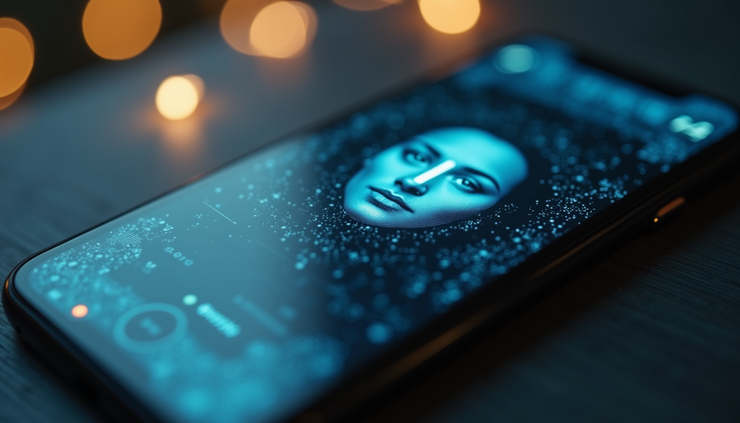
Apple has long invested in facial recognition technology, primarily through Face ID, which uses 3D scanning to unlock devices and authenticate users. The Israeli startup focuses on detecting micro movements—tiny, often involuntary facial muscle movements that reveal emotions or intentions. Integrating this technology could allow Apple devices to interpret user expressions more accurately and respond in real time.
This move could enhance user experience in several ways:
Improved security: Micro movement analysis could add an extra layer of identity verification, making it harder to spoof Face ID.
Emotion recognition: Devices might adjust settings or notifications based on the user's mood.
Accessibility: People with speech or motor impairments could use facial micro movements as input for commands.
By acquiring this startup, Apple gains access to proprietary algorithms and expertise that could accelerate these features' development.
The Technology Behind Reading Facial Micro Movements
Facial micro movements are subtle muscle twitches that last only fractions of a second. They often reveal genuine emotions, even when a person tries to hide them. Detecting these requires high-resolution sensors and advanced machine learning models capable of analyzing rapid, minute changes.
The Israeli startup developed technology that captures these micro expressions using specialized cameras and software. Their system can:
Detect micro movements in real time with high accuracy
Differentiate between intentional and involuntary expressions
Analyze patterns to infer emotional states or cognitive load
This technology has applications beyond smartphones, including healthcare, security, and human-computer interaction.
Potential Applications in Apple Products
Apple could integrate this technology across its product line, creating more intuitive and responsive devices. Some possible applications include:
iPhones and iPads: Enhanced Face ID security and emotion-aware notifications.
Apple Watch: Monitoring stress or emotional states through facial cues during workouts or daily use.
MacBooks: Adaptive user interfaces that respond to user engagement or frustration.
Augmented Reality (AR): More natural interactions in AR environments by reading subtle facial signals.
For example, if a user shows signs of frustration while using an app, the device could offer help or adjust settings automatically. This would make technology feel more personal and supportive.
Challenges and Ethical Considerations
While the technology offers exciting possibilities, it also raises privacy and ethical questions. Facial micro movement analysis involves collecting sensitive biometric data, which must be handled responsibly.
Apple has a reputation for prioritizing user privacy, so it will likely implement strict safeguards, such as:
Processing data locally on devices instead of cloud servers
Giving users control over what data is collected and how it is used
Transparent communication about the technology’s capabilities and limitations
Users may also worry about potential misuse, such as surveillance or emotional manipulation. Apple will need to address these concerns clearly to maintain trust.
The Broader Impact on the Tech Industry
Apple’s acquisition could push other tech companies to explore micro movement recognition, accelerating innovation in this field. It may also encourage new standards for biometric data privacy and security.
Israeli startups have a strong track record in facial recognition and AI, making this deal a notable example of global tech collaboration. The $2 billion price tag reflects the high value placed on advanced biometric technologies.
What to Expect Next
Apple is likely to integrate the startup’s technology gradually, starting with software updates and new hardware releases. Users can expect:
More secure and responsive Face ID features
New accessibility options leveraging facial micro movements
Enhanced AR experiences with natural facial interaction
Developers may also gain access to APIs that allow apps to use micro movement data, opening doors for innovative applications.
Apple’s move shows how facial recognition technology continues to evolve beyond simple identification toward richer, more human-centered interactions.

Comments